

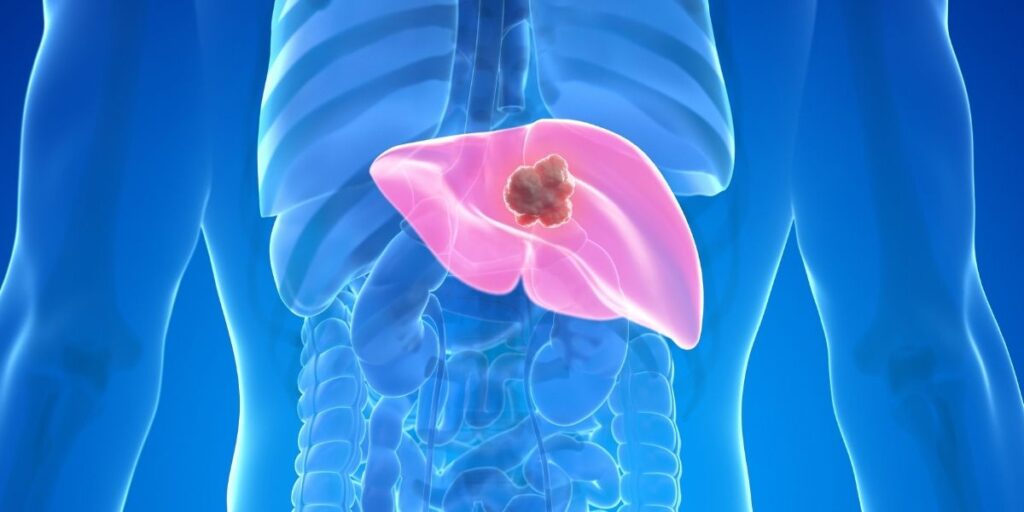
Biliary cystadenocarcinoma
Biliary cystadenoma, one of the rare tumors of the liver, originates from the bile epithelium of the liver. It grows very slowly, although some tumors can reach a diameter of 12 cm. It is more common in middle-aged women than in men. Although usually benign, it can eventually transform into a malignant tumor.
What are the symptoms of biliary cystadenocarcinoma?
Because these tumors grow very slowly, they do not produce findings on physical examination. They are usually detected incidentally; however, patients diagnosed with the tumor typically experience symptoms such as abdominal pain, bloating, nausea, and vomiting.
Which methods are used to diagnose biliary cystadenocarcinoma?
In these patients, liver function test results may be normal; however, elevations in alkaline phosphatase, bilirubin, and, less frequently, aminotransferase levels can be observed.
Imaging methods such as ultrasonography, computed tomography (CT), and magnetic resonance imaging (MRI) are used to differentiate biliary cystadenocarcinoma tumors from other liver tumors and cystic structures.
How are biliary cystadenocarcinoma tumors treated?
Surgical treatment methods are used for these tumors. The entire tumor is removed through surgery. Due to the risk of recurrence, biliary cystadenocarcinomas require close follow-up.