

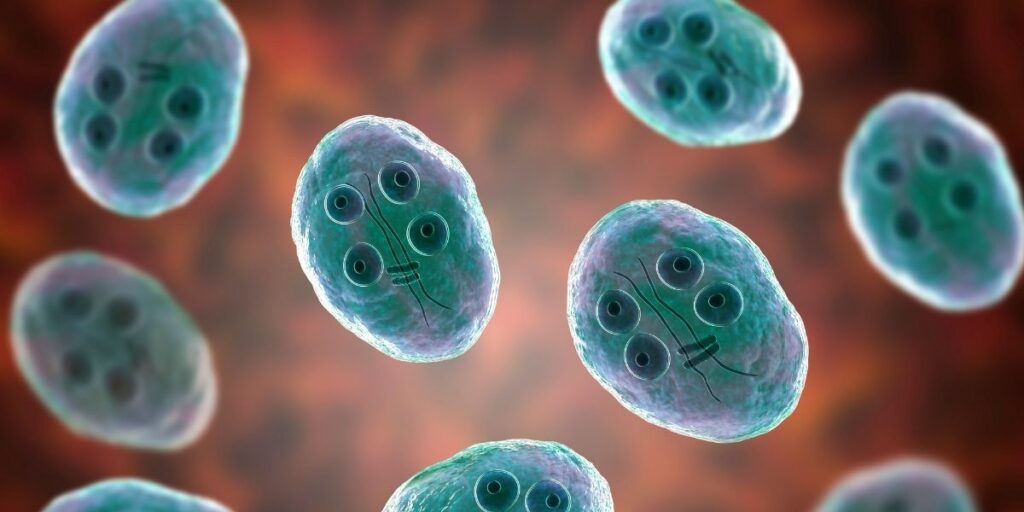
Hydatid cyst (cystic echinococcosis), which belongs to the group of infectious diseases, is a relatively common condition in our country. It is transmitted when the eggs of a microscopic parasite (Echinococcus granulosus) are ingested orally, usually through contaminated vegetables and fruits. The parasite settles in the liver and forms cysts.
Cystic disease generally enlarges over time. Rarely, calcification may develop around the cyst, allowing the body to resolve the disease spontaneously. However, as the cyst grows, it may cause various symptoms by exerting pressure on surrounding structures. It can cause pain due to tension, rupture into neighboring organs or bile ducts, become infected, or lead to difficulty in the passage of food. In addition to hydatid cysts detected because of such complaints, some cases are diagnosed incidentally.
What symptoms does a hepatic hydatid cyst cause? How is it diagnosed?
A cyst may be present in one or multiple locations in the liver. Small cysts usually do not cause symptoms. However, in rare cases, symptoms such as abdominal distension, pain in the right upper quadrant of the abdomen, nausea, vomiting, a feeling of fullness, loss of appetite, shortness of breath, jaundice, and high fever may be observed.
How is a hepatic hydatid cyst diagnosed?
The disease is usually diagnosed incidentally during ultrasound or computed tomography examinations performed for other reasons. When a cyst is detected, imaging methods such as ultrasound, CT, and MRI, along with blood tests, are used to evaluate whether it is benign.
How is a hepatic hydatid cyst treated?
Before treatment, the patient must be carefully evaluated. The standard treatment for this disease is surgery. The surgical approach may vary depending on the size of the cyst, its location within the liver, the number of cysts, and the presence of complications. The stage of the cyst is also a crucial factor when selecting the treatment method.
Some hydatid cysts can be treated using interventional radiology. Before both treatment options, medical therapy against the cysts is administered for a duration determined by the physician. The purpose of this treatment is not complete eradication of the disease, but rather to minimize the risk of intra-abdominal spread during radiological intervention or surgery.