

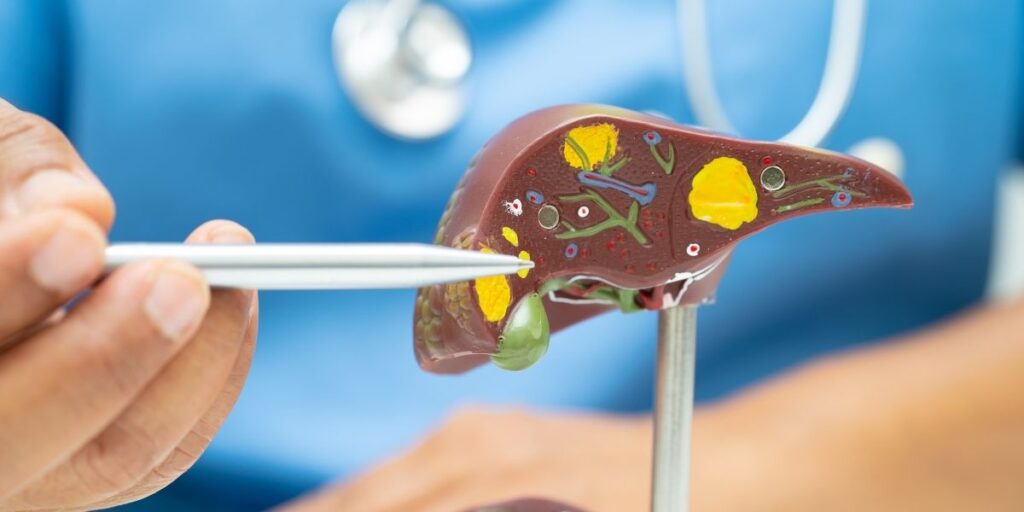
Gallbladder inflammation usually occurs due to blockage of the gallbladder neck by a stone. The gallbladder stores bile, a digestive fluid. When the body needs bile to break down fats, the gallbladder releases it into the small intestine. However, if the path to the small intestine is blocked, bile becomes trapped, irritating the gallbladder and causing inflammation (cholecystitis).
What are the causes of cholecystitis?
In addition to gallstones, bile duct problems, tumors, and certain infections can also cause gallbladder inflammation.
What are the symptoms of cholecystitis?
The most common symptoms of gallbladder inflammation are nausea and vomiting, often occurring after large or very fatty meals. These symptoms can be mistaken for other health issues; however, pain in the abdomen, back, or under the right shoulder blade suggests gallbladder inflammation. It can also present with fever, bloating, yellowing of the skin, and jaundice in the eyes.
How is cholecystitis (gallbladder inflammation) diagnosed?
Based on the symptoms, after taking a detailed patient history and performing a physical examination, diagnosis involves blood tests, imaging methods such as ultrasonography, endoscopic ultrasound, and computed tomography (CT), as well as a hepatobiliary iminodiacetic acid (HIDA) scan to assess bile flow in the body.
How is cholecystitis (gallbladder inflammation) diagnosed?
Treatment of gallbladder inflammation involves various medications and surgical methods. Patients diagnosed with cholecystitis are usually hospitalized, and they may be restricted from eating or drinking to allow the inflamed gallbladder to rest. Nutrition is provided intravenously. Antibiotics and painkillers are used to control inflammation and related pain. Endoscopic retrograde cholangiopancreatography (ERCP) may be performed to remove stones blocking the bile ducts. After these procedures, symptoms are expected to decrease within 2 to 3 days.
Gallbladder inflammation often recurs. To prevent this, the gallbladder can be surgically removed. Surgery is planned based on the severity of symptoms and the potential risks during and after the procedure.
The surgical removal of the gallbladder is called a cholecystectomy. It is a minor procedure performed through a small incision in the abdomen (laparoscopic cholecystectomy) and takes approximately one hour. After surgery, bile flows directly from the liver into the small intestine instead of being stored in the gallbladder. No special dietary adjustments are required after the operation.