

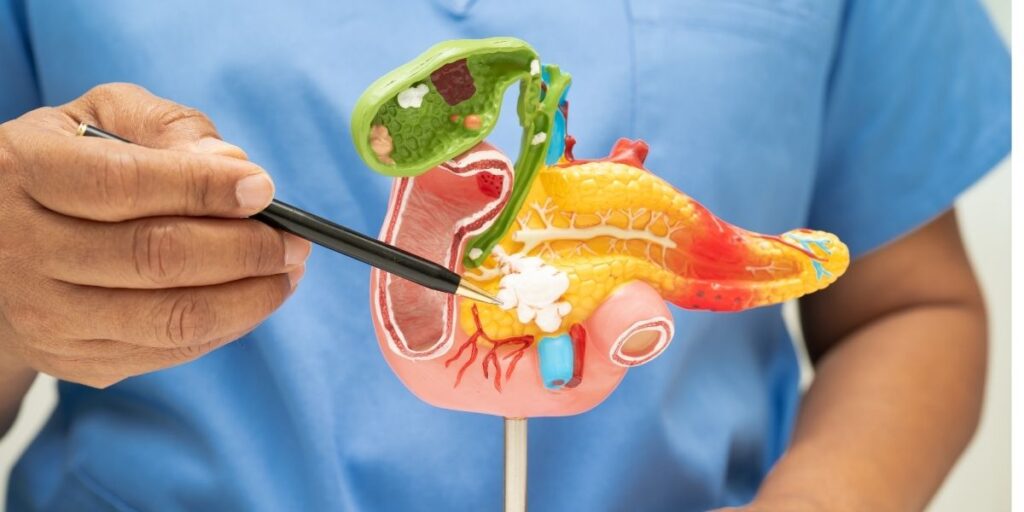
Cholangitis is defined as inflammation caused by bacteria that settle in the bile ducts for various reasons. If untreated, cholangitis can be life-threatening.
What are the causes of cholangitis?
Stones in the bile duct, bile duct stents, and infections following gallbladder surgery can lead to cholangitis.
What are the symptoms of cholangitis?
Cholangitis presents with symptoms such as abdominal pain, vomiting, and fever. These complaints should be taken seriously as signs of cholangitis, especially in individuals with stones in the gallbladder or bile duct.
How is cholangitis diagnosed?
Cholangitis is diagnosed through blood tests. Increased white blood cells, elevated bilirubin levels, and high alkaline phosphatase (ALP) indicate cholangitis. Additionally, imaging methods such as ultrasonography, computed tomography (CT), magnetic resonance cholangiopancreatography (MRCP), endoscopic retrograde cholangiopancreatography (ERCP), and percutaneous transhepatic cholangiography (PTC) are used.
How is cholangitis treated?
Patients with cholangitis must be hospitalized for treatment. Intravenous fluids are administered, and potent antibiotics are given. In some cases, it is also necessary to reduce the pressure in the bile ducts, which can be achieved by placing a stent endoscopically in the bile duct.