

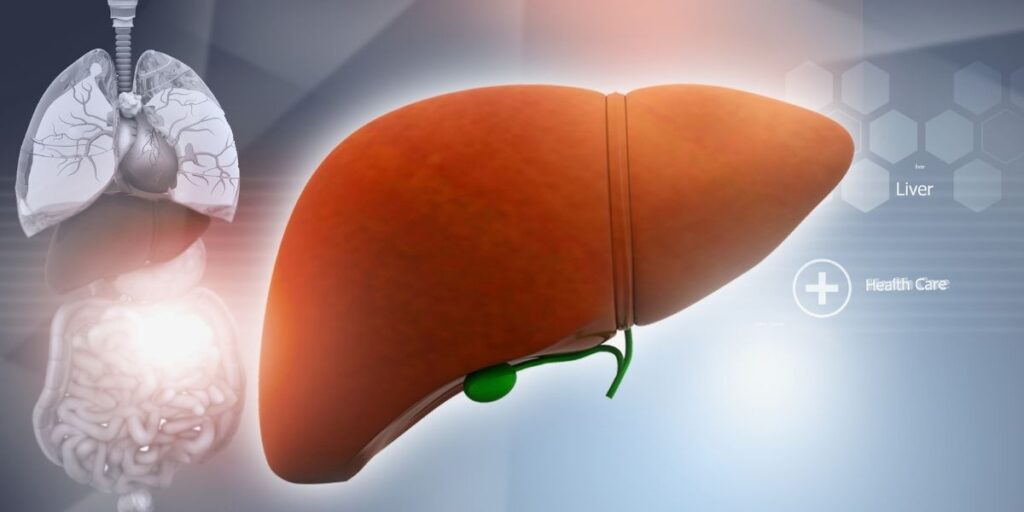
What Is a Liver Abscess?
An abscess is defined as an accumulation of pus that can form inside or outside any part of the body and may have systemic effects. Although rare, bacteria, fungi, parasites, or viruses may colonize and proliferate in liver tissue, causing an inflammatory reaction and leading to the formation of a liver abscess. In cases where early diagnosis is not made and treatment is delayed, liver abscesses may become life-threatening.
What Are the Types of Liver Abscesses?
There are two different types of liver abscesses: pyogenic and amoebic.
- These two types differ in their frequency, development, and underlying causes.
Pyogenic (Bacterial) Liver Abscess
Pyogenic liver abscesses are rare. They typically localize in the right lobe of the liver and usually present as a single abscess. Conditions such as advanced appendicitis, inflamed bile ducts (cholangitis), colon cancer, or underlying liver diseases may lead to the development of a pyogenic liver abscess. Additionally, severe infections caused by bacteria in the bloodstream, inflammatory bowel diseases, inflamed hemorrhoids, and liver injuries due to various causes may also result in pyogenic liver abscesses. If left untreated, a pyogenic liver abscess can be a fatal condition.
Symptoms of Pyogenic Liver Abscess
Pyogenic liver abscess presents with symptoms such as fever, vomiting, chills, pain in the right upper quadrant of the abdomen, unexplained and rapid weight loss, loss of appetite, cough, dark-colored urine, diarrhea, jaundice, and pale or grayish stools
How Is Pyogenic Liver Abscess Diagnosed?
The symptoms caused by this condition are often confused with those of gallbladder inflammation or inflamed liver cysts related to the bile ducts.
In the diagnosis of pyogenic liver abscess, complete blood count including neutrophil levels, evaluation of liver enzymes and sedimentation rate, and measurement of C-reactive protein (CRP) levels are required. Ultrasonography (USG) is also commonly used for diagnosis and follow-up. Contrast-enhanced abdominal computed tomography (CT) and magnetic resonance imaging (MRI) are also employed in diagnosing liver abscesses.
How Is Pyogenic Liver Abscess Treated?
If untreated, a pyogenic liver abscess may lead to death. Therefore, once the diagnosis is made, it is crucial to carefully implement an appropriate treatment plan to reduce and completely eliminate the abscess. Treatment typically involves ultrasound-guided percutaneous catheter drainage performed by an interventional radiologist. Antibiotic therapy is initiated either simultaneously or afterward. In cases where catheter drainage is insufficient, surgical removal of the abscess may be required. Antibiotic treatment continues following surgery.
b. What is amoebic liver abscess, and what are its causes?
Amoebic liver abscess is more commonly seen in warm, humid regions with poor hygienic conditions. It develops in a small proportion of patients following amoebic infection. Its incidence is higher in men aged 30–40 compared to women. The abscess usually occurs in the right lobe of the liver; however, when both lobes are involved, the disease tends to have a more severe course.
What is symptoms of Amoebic Liver Abscess?
Sudden pain in the right shoulder, fever, loss of appetite, sudden weight loss, anemia, sweating, chills, tachycardia, cough, and green sputum are among the symptoms.
How Is Amoebic Liver Abscess Diagnosed?
Clinical examination is essential for accurate diagnosis and treatment planning. Ultrasonography is the most frequently used diagnostic method for amoebic liver abscess. CT or MRI imaging may also be used. Moderate leukocytosis (increased white blood cell count) and anemia may accompany the diagnosis.
How Is Amoebic Liver Abscess Treated?
The most effective treatment for amoebic liver abscess is antibiotic therapy. Antibiotics administered for 7–10 days result in recovery in nearly all cases. In some situations, percutaneous needle drainage of the abscess may be required.